Gutter Cleaning Hackettstown: Preparing Your Property for Storm Season

Storm season in Warren County has a way of exposing small maintenance issues that sat quietly all spring and summer. A loose downspout elbow, a sagging gutter run, a valley clogged with maple seeds, these are easy to ignore when the weather stays dry. Then a heavy rain moves across Hackettstown, water starts sheeting over the gutter edge, and suddenly that minor issue becomes soaked fascia, muddy foundation beds, and a wet basement that smells musty for the next week.
That is why Gutter Cleaning Hackettstown is not just another item on a home maintenance checklist. Around here, it is one of the simplest ways to protect a property before wind, rain, and falling debris test every weak point on the exterior. Clean gutters move water where it belongs. Clogged gutters force it into places it never should have reached.
Homeowners usually notice the obvious signs first. Water spills over the front gutter during a downpour. A downspout pours too slowly. Dark tiger-striping appears on the gutter face. But by the time those symptoms show up, the system has often been underperforming for months. In an area with mature trees, seasonal pollen, roof grit, and sudden summer storms, buildup can happen faster than people expect.
Why storm prep starts at the roofline
When people think about storm preparation, they often focus on the big-ticket concerns. They inspect shingles, trim branches, or check the sump pump. All of that matters, but the gutter system is where roof runoff either gets controlled or starts causing trouble.
A standard residential roof sheds an enormous amount of water in a single storm. Even a modest rainfall over a few hours can send hundreds of gallons toward the gutters. If those gutters are packed with leaves, seed pods, and granulated roof debris, that water has nowhere to go. It backs up, spills over, and turns the entire perimeter of the home into an erosion zone.
In Hackettstown, the local mix of weather and vegetation creates a particular pattern. Spring tends to load gutters with blossoms, helicopter seeds, and pollen sludge. Summer storms wash in twigs and shingle grit. Early fall starts the leaf drop. By the time late fall and winter arrive, a partially clogged gutter can hold standing water long enough to freeze, expand, and strain hangers or seams. The problem is rarely one dramatic event. More often, it is accumulated neglect plus one hard storm.
I have seen homes where the gutter itself looked mostly fine from the driveway, but the downspout outlet was nearly sealed with compacted debris. During ordinary rain, the issue stayed hidden. During a strong storm, the water overflowed near a corner of the house and saturated the soil by the foundation. The owner assumed the basement seepage came from an old wall crack. The real culprit was six feet above his head.
What clogged gutters actually do to a property
Overflow is only the most visible consequence. Water follows gravity, but it also follows opportunity. Once a gutter stops channeling runoff correctly, that water starts testing every joint, fastener, and seam around the roof edge and lower https://www.google.com/maps?cid=3999183471512401406 walls.
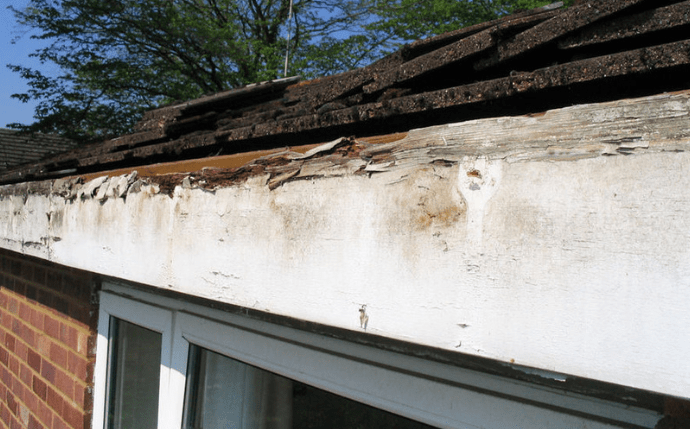
Fascia boards are often the first victims. Constant spillover keeps the wood damp, paint begins to blister, and small soft spots develop near nail lines. If ignored, that damage can spread to soffits and even create entry points for insects. Carpenter ants and other moisture-seeking pests do not need a large opening to make use of compromised trim.
Landscaping takes a hit too. Mulch washes out. Flower beds get gouged. Young shrubs end up with exposed roots after repeated runoff. On sloped lots, concentrated water near one downspout can carve channels through the yard in a single season. People often spend thousands on landscaping and then leave the drainage system that protects it clogged with leaves.
Foundation trouble is where costs can climb. Gutters are not the only defense against water intrusion, but they are a major one. When runoff pours too close to the house, the ground around the foundation becomes over-saturated. Hydrostatic pressure increases. Basement walls and slab edges start dealing with water loads they were never meant to handle day after day.
Then there is the safety side. Overflowing gutters dump water on entryways, walk paths, and driveways. In warm weather, that means slippery surfaces and muddy foot traffic. In cold weather, it can mean recurring ice patches in exactly the spots where people step first thing in the morning.
Hackettstown homes have their own set of challenges
Every town has patterns, and Hackettstown properties bring a few common ones. Many homes sit among mature deciduous trees, which is beautiful until the gutters fill with leaves and acorns. Some neighborhoods have older homes with steeper roofs and narrower gutter profiles that clog faster than newer, oversized systems. Ranch homes can be easier to access, but they often have long gutter runs that hide low spots. Taller colonials may have better roof pitch for shedding debris, yet their upper gutters are harder to inspect and often get ignored longer.
Another factor is how stormwater behaves on different lots. A flat property can conceal drainage issues until the ground becomes saturated. A sloped lot can send roof runoff downhill with force, especially if one downspout handles too much volume. Homes with additions are another frequent trouble area because the roof transitions can create valleys that dump concentrated water into short stretches of gutter. If that section clogs, overflow becomes immediate and dramatic.
This is why local judgment matters. Gutter Cleaning Hackettstown is not just about scooping out leaves. It is about understanding where debris collects, which roof sections dump the hardest, and how one blocked outlet can affect the entire drainage pattern of the property.
The best time to clean before storms arrive
People often ask for one perfect month to schedule gutter cleaning. There is no single answer because timing depends on trees, roof design, and weather patterns. Still, there are practical windows that make sense.
Late spring is a smart time for many homes. By then, the pollen, seed pods, and blossom debris have usually moved through, and you can clear the system before summer thunderstorm activity picks up. Another key window is early to mid fall, before leaf drop reaches its peak but after enough debris has accumulated to justify service. Homes surrounded by heavy tree cover may need a second fall visit or a cleanup after most leaves have come down.
What matters most is not waiting for a symptom. Once you can see water spilling over during rain, the system has already failed under load. Preventive cleaning costs less than repairs to trim, siding, or interior spaces.
For properties with a history of basement dampness, the timing becomes even more important. Cleaning the gutters a few weeks before the wetter part of the season gives you a chance to spot detached extensions, crushed splash blocks, or downspouts that discharge too close to the foundation. Those small corrections matter more than people think.
What a proper gutter cleaning should include
A rushed cleaning can make the gutters look better while leaving the real problems untouched. Good work starts with clearing the debris, but it should not stop there. A professional eye looks at flow, attachment, slope, and discharge.
The interior of the gutter should be cleared by hand or with appropriate tools so packed debris is fully removed, not just shifted around. Downspouts should be checked for blockages, because a clean gutter feeding into a clogged downspout is still a failing system. Once the channels are open, water testing can help reveal whether the gutters pitch correctly and whether any hidden clogs remain.
This is also the time to notice structural issues. Loose spikes, failing hangers, separated joints, rust spots, and sections pulling away from the fascia should all be identified. On aluminum systems, even a slight sag in the middle of a run can create standing water. On older homes, I often see one section that was reattached years ago without correcting the slope. It holds debris, fills early, and becomes the point where every storm starts spilling over.
A solid service visit should also account for what ends up on the ground. Debris should be collected and removed or disposed of neatly, not left scattered across beds and lawns. That sounds basic, but many homeowners have learned the hard way that “gutter cleaning” can mean very different things depending on who shows up.
Signs your gutters need attention before the next big storm
Most people do not inspect their gutters closely, and that is understandable. The good news is that trouble usually leaves clues. If you notice any of the following, it is worth addressing before storm season gets underway:
- Water cascading over the gutter edge during rain
- Plants or weeds growing from the gutter channel
- Dark streaks, mildew, or peeling paint near the fascia
- Pooled water near the foundation after storms
- Gutters that sag, separate at seams, or pull away from the house
Those warning signs do not always mean major damage has already occurred, but they do mean the system is not performing as intended.
DIY cleaning versus hiring a professional
Some homeowners are comfortable cleaning first-story gutters themselves, and on the right house that can be perfectly reasonable. A single-story ranch with open access, stable ground, and minimal roof complexity presents far fewer risks than a two-story home with steep pitches, landscaping obstacles, and overhead service lines nearby.
The decision usually comes down to three things: safety, thoroughness, and time. Ladder work is where many routine maintenance projects become dangerous. Reaching too far, setting up on uneven soil, or working near wet surfaces is enough to turn a simple cleaning into an emergency room visit. Even if the homeowner is careful, many do-it-yourself cleanings miss the downspout clogs or fail to notice drainage issues that a seasoned technician would catch quickly.
There is also the question of roof type. Asphalt shingle roofs shed grit into the gutters over time, and if that sediment mixes with decomposed leaves it forms a heavy sludge that does not come out easily. Metal roofs can wash debris into gutters more quickly during storms. Slate and older roof systems need even more care around edges and flashing. The safer and more efficient route is often to let a professional handle the work, especially before severe weather season when you want confidence that the whole system is ready.
Why gutter guards are not a complete substitute for cleaning
Gutter guards can help in the right setting, but they are not a magic fix. This is one of the most common misunderstandings homeowners have. Guards may reduce the volume of large debris entering the gutter, particularly leaves, but they do not stop every problem. Fine debris, roof grit, pollen, and seed material can still accumulate on top of the guard or work their way inside.
I have seen guarded systems where the surface became matted with wet leaves, causing water to skate over the edge instead of entering the gutter. I have also seen micro-mesh products perform well on one home and struggle on another because nearby pine needles and roof pitch changed the equation. The right product depends on tree type, roof slope, rainfall intensity, and maintenance expectations.
That does not mean guards are a bad investment. On heavily wooded Hackettstown properties, they can reduce the frequency of full cleanings and make maintenance easier. But they still need inspection, and in many cases they still need periodic service. Anyone selling them as a zero-maintenance solution is overselling the idea.
Small repairs that make a big difference before storm season
Storm preparation is the right moment to take care of minor gutter repairs because small defects tend to fail at the worst possible time. A downspout strap that is barely holding in dry weather may come loose in high wind. A seam with a slow drip may open under the weight of backed-up water. A missing splash block may seem trivial until runoff starts tunneling beside the foundation.
Several low-cost corrections often pay off immediately. Re-securing loose sections improves slope and prevents standing water. Extending short downspouts moves discharge farther from the house. Sealing minor joint leaks keeps drips from soaking trim boards. Adjusting or replacing damaged elbows can restore proper flow. None of these jobs are glamorous, but they are exactly the kind of details that keep a manageable maintenance issue from becoming a repair bill.
Homes with recurring winter ice problems should pay particular attention here. Poor drainage at the gutters can contribute to freezing near eaves and walkways. While ice dam formation involves attic ventilation and insulation as well, a blocked gutter full of water certainly does not help.
How often should Hackettstown homeowners schedule service?
There is no universal schedule, but there is a realistic one for most local properties. Twice a year is a sensible baseline for many homes, especially those with nearby trees. One cleaning in late spring and one in fall covers a lot of conditions. Some homes can get by with annual service if tree cover is light and the system is in good shape. Others need three visits a year, particularly when large oaks, maples, or pines overhang the roof.
Property owners should think in terms of debris pressure rather than the calendar alone. A home tucked under dense canopy may clog quickly even after a recent cleaning. A more open property may go much longer without meaningful accumulation. The first year or two after moving into a home is usually when you learn the pattern. After that, scheduling gets easier because you know which sections fill first and which storms tend to expose weak points.
If the house has had previous issues with overflow, basement seepage, or fascia rot, it is wise to be more proactive than average. Water damage is not the place to test how long you can stretch maintenance intervals.
A practical pre-storm inspection for homeowners
You do not need to climb a ladder to spot many gutter problems. A simple walkaround before storm season can tell you a lot. Look up along the roofline for sections that dip or bow. Check the ground near downspouts for erosion, mulch displacement, or staining. Look at siding and trim below the gutters for streaks or green growth. During a moderate rain, if it is safe to do so from the ground, watch how the water exits the downspouts and whether any section spills over.
Here are a few simple things worth checking before heavier weather arrives:
- Whether downspouts discharge several feet away from the foundation
- Whether any gutter section appears tilted, loose, or separated
- Whether roof valleys are visibly packed with leaves or twigs
- Whether splash blocks or drain extensions are still in place
- Whether previous overflow has left marks on siding or soil below
That kind of walkaround takes ten minutes and often catches problems early enough to fix them without urgency.
Choosing the right help for gutter cleaning in Hackettstown
Not every exterior maintenance company approaches gutters with the same level of care. Some treat it as a quick add-on service. Others understand drainage, roofing interfaces, and the kinds of issues local homes tend to develop. When evaluating providers, it helps to ask practical questions rather than only comparing price.
Do they clear and test downspouts? Will they point out minor repairs before those become larger problems? Are they experienced with taller homes or complex rooflines? Do they remove debris cleanly from the property? A low quote can become expensive if it skips the parts of the job that actually prevent storm-related damage.
This is where a local reputation matters. Companies that regularly handle Gutter Cleaning Hackettstown tend to know the seasonal debris patterns, the common gutter setups in the area, and the trouble spots that show up after strong rain. That familiarity often leads to better recommendations, more efficient service, and fewer surprises once the weather turns.
The real payoff of doing this before the skies open up
A clean, properly functioning gutter system is easy to overlook because when it works, you barely notice it. Water enters the channel, moves through the downspouts, and exits away from the house. No drama, no puddling, no stained siding, no soil washed out of the flower beds. That quiet performance is exactly the point.
Storm season tends to punish delay. Once the forecast shows a line of heavy rain approaching, every contractor gets busier and every small issue feels urgent. Handling gutter maintenance ahead of time gives you options. You can schedule on your terms, make small repairs without pressure, and head into the wettest part of the season knowing the roof drainage system is ready.
For Hackettstown property owners, that preparedness matters. A few hours of preventive work can protect trim, siding, landscaping, and foundations from months of unnecessary wear. It can reduce the chance of basement moisture, prevent slippery runoff at entryways, and extend the life of the gutter system itself. Most of all, it turns one of the most common storm-related weak points into a strength.
If your gutters have not been cleaned recently, or if last season left you with overflow, erosion, or drainage worries, now is the time to deal with it. Storm season rarely waits for the convenient moment. Clean gutters make sure your property is not caught unprepared.
Just Gutters LLC
Address: 262 Main St, Hackettstown, NJ 07840
Phone number: +12013319454
FAQ About Gutter Cleaning Hackettstown
How much should a gutter clean cost?
Professional gutter cleaning typically costs between $163 and $333, with a national average of around $210 to $250 for a standard-sized home.
What months should you clean gutters?
You should clean your gutters twice a year—once in late autumn (November to December) and once in late spring (April to May).
Is it worth paying for gutter cleaning?
Yes, paying for gutter cleaning is worth it because it prevents thousands of dollars in water damage, roof leaks, and structural repairs.